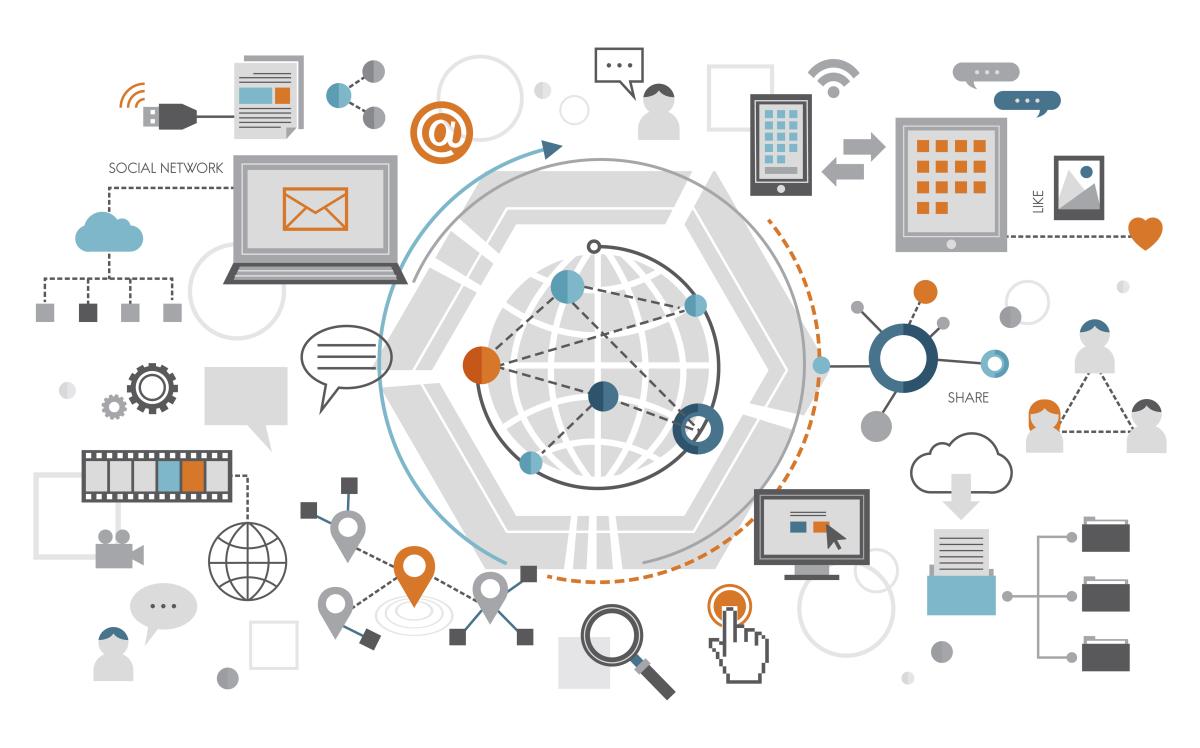
Communication is a complex phenomenon that requires the combination of several elements to happen: a sender, a message, a channel, and a receiver. With these four elements communication could be defined as the act or process by which the sender sends a message through a channel to a receiver. Frequently another element is added, a code, for the receiver to be able to understand the message they must share a code with the sender. Often, the receiver is able to use the same channel to reply to the sender.
Communication is one the human ambits that has changed the most in recent decades. In this first set of trends we will analyse its evolution focusing on some of the main channels of human communication through history: books, newspapers, radio, and television up to the arrival of the Internet. And in the next set of trends, we will further explore the impact of digital communications and social networks.

Historically books were the first main communication channel. And although books and printing presses have existed for centuries, it is thanks to Gutenberg’s movable-type, interchangeable and reusable press that printing experienced a quantum leap. Thus, according to Buring and Van Zanden study “Rise of the West” that analysed several European countries, the book production passed from 12.6 million in 1475 to 641.2 in 1775.
It is extremely difficult to know how many books are published every year. If we check ISBN (International Standard Book Number) data, in 2018 4,474,441 books were published. But not all books have ISBNs, like the ones privately published, so the actual number is much higher.
In any case, and if we look at the top 15 publishing countries, we can see that USA is the main publisher with a huge difference. The USA publishes alone almost three times the total publication of the other fourteen top publishers combined.
Source: The Global Publishing Industry in 2018
Image by rawpixel.com on Freepik
The new printing technology also made it possible for a new kind of publication, not meant to last for long but to provide news to a growing audience: Newspapers. Newspapers have been a pivotal element in shaping modern societies changing the way economics, politics and culture were done. But the main effect was to expand people’s access to information (but also enhancing the chance of people being manipulated).
Here we can see the main global newspapers by circulation in 2016 (measured in thousands). And it is worth noticing that despite the pre-eminence given to Western mastheads, Asian newspapers are the most read.
Source: World Press Trends Report 2016
Newspapers are probably the media suffering the most because of the digital transformation. Although paper is still the best in readability terms, it cannot compete with the interactive possibilities that digital screens provide. This provokes a double effect. The first trend is that newspaper paid circulation is shrinking, according to the World Association of News Publishers and has declined by almost 100 million in 12 years (from 594 million in 2011 to 499 in 2022). The second trend is the steady growth of the digital news. Yet, it is very uncertain whether going digital will reach the old circulation figures.
Data in millions
Source: World Press Trends Report 2016 and World Press Trends Outlook 2021-2022
Yet press is more than just news, it is also an indicator or the social and political quality of life in a given place. That is why, in many countries, freedom of the press is considered a core human right. Since 2002 Reporters Without Borders has been compiling a yearly index, the Press Freedom Index, to measure the degree of freedom available to journalists in 180 countries.
And although the evolution is positive, it must be noted that, globally considered, the world is in the lowest segment of the index (0-40 very serious).
Source UNESCO
Image Freedom icons by BZZRINCANTATION at Flaticon
Chronologically, the next big communication channel was radio. Radio was a revolution as, for the first time, the message was directly delivered into the listeners’ home. Radio created a different connection between sender and receiver and often generated a sense of intimacy previous channels could not provide.
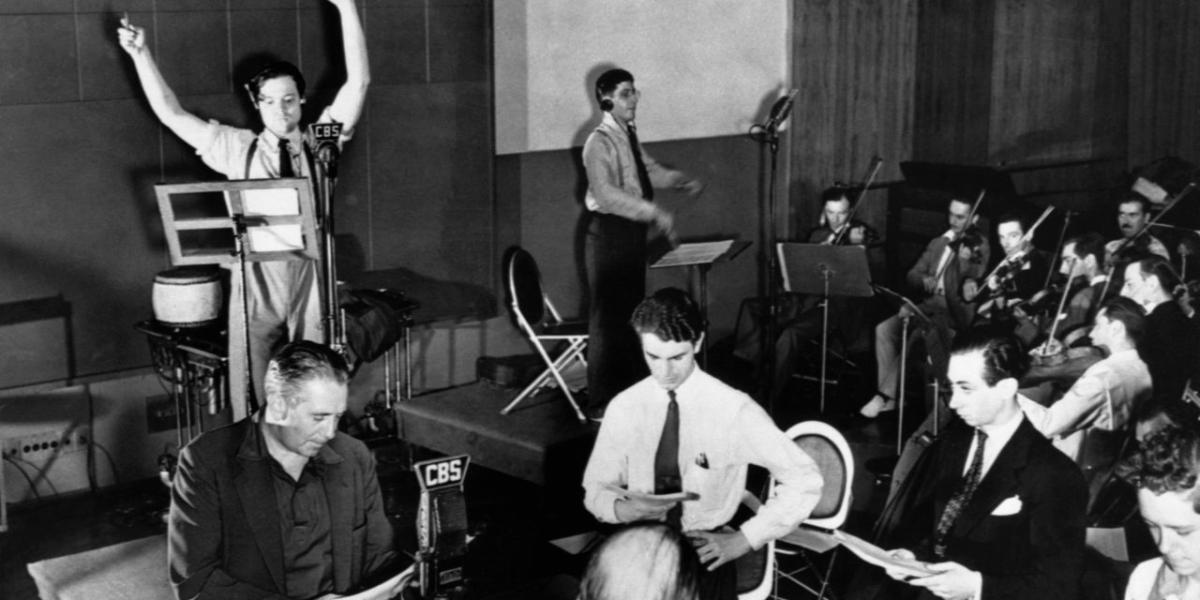
Also, radio opened new opportunities for rulers, politicians, activists, and artist to reach a wide audience directly, almost as if all were in the same room. Some visionaries began to see the potential of the channel; among them Orson Welles stands out. His 1938 show “War of the Worlds” terrorized millions in the US that could not distinguish a sophisticated fiction from reality; something that could qualify the presentation as the first fake news show in history.
It is difficult to say how many radio listeners are there in the world. According to Deloitte, 3 billion people listen to radio weekly. Yet, cyclically prophets of radio doom announce the imminent demise of radio in favour of newer channels. Global radio revenue reached 40 billion US$ in 2019.
But like other channels feeling the impact of digital migration, radio is going digital. According to Statista, the number of listeners in US and Canada that have switched from traditional radios (AF/FM radio sets at home, work or in a car) to digital ones (computer, smartphone, podcast, or digital platforms) has more than doubled. This, however, implies a new kind of consumption of radio content, not just when it is broadcast, but when the listener wants it, “on demand”.
Image: Freepik at Flaticon https://www.flaticon.com/free-icons/radio
If we turn our focus to the business side, one more time we see how the USA gets the biggest share of radio revenue. Of the 2019 global total of 40 US$ billions in revenue, 21.81 was generated in America. The map shows the annual radio revenue in US$ per capita of each country in the sample. If we look at weekly radio reach (estimated as percentage of total population that listens to radio weekly), the distribution of radio listening across the planet is more even.
Source: Deloitte “Technology, Media and Telecommunications Predictions 2019”
Television marked a transformation in communication channels. If radios paved the way to people’s homes, TV became the centre of those homes usually taking a prominent spot in millions of living rooms.
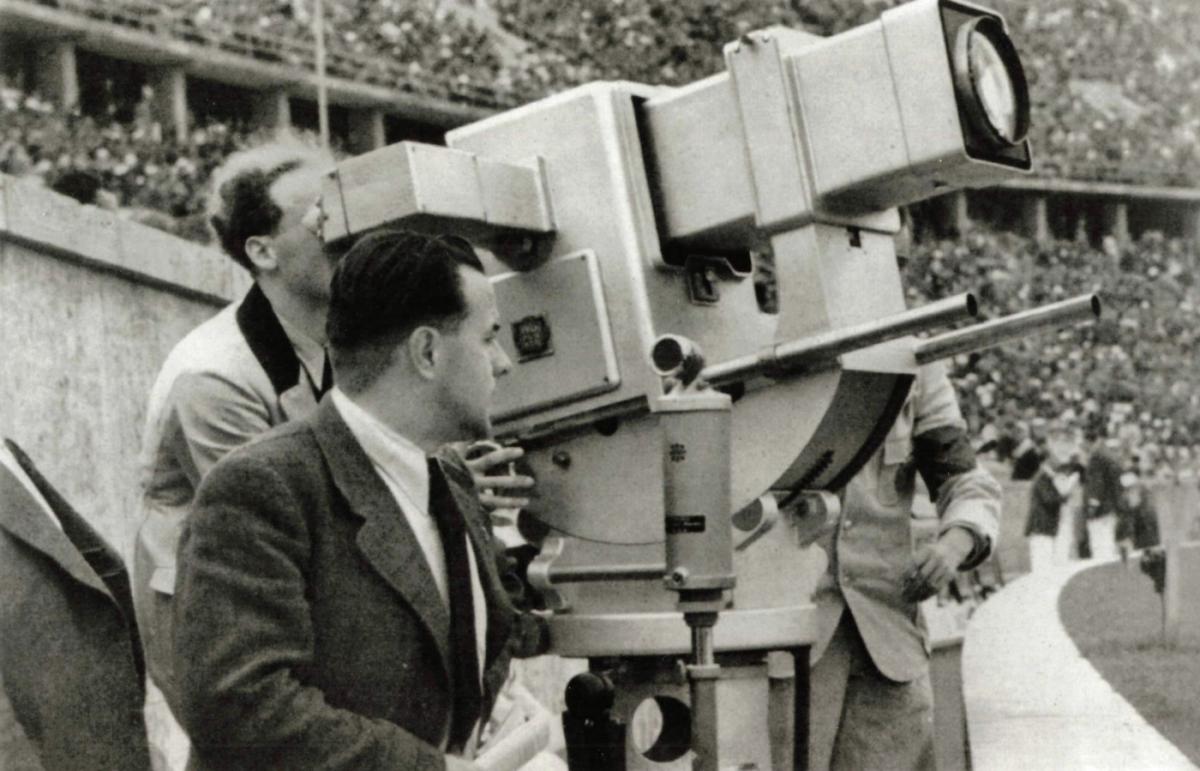
Television broadcasting started in the 1920s. after WWI. Nazi Germany was one of the first governments that understood the power of the new channel and used the 1936 Olympic games as a dazzling commercial for the regime. However, the real boom came in the 1950s and the arrival of colour tv in the 1960s made television the hegemonic media to this day.
But it is unsure if TV can keep this media dominance for long. The advent of the Internet has been a game changer. Not only is it forcing the other channels to go digital, but it has also created a new communication framework. More importantly, this is a framework in which interactivity and synchronicity are key features.
In the graph we can see up to 2017 world average media consumption measure in minutes used in each channel daily. So, it is possible that, by now, the Internet has already surpassed TV in use.
Source: ZenithOptimedia “Media Consumption Forecasts 2015”
The speed of the adoption of the digital networks is remarkable, By 2015 in many regions, the Internet had already overtaken TV as the dominant medium as we can see in the next graph. The Internet has allowed billions of people across the world an unprecedented level of communication access.
Source: ZenithOptimedia “Media Consumption Forecasts 2015”
Yet for the time being, television is still the hegemonic communication channel. According to Statista there are at least 5.36 billion viewers all over the world. And this figure is likely to grow as the estimation of television households for 2026 is of 1.72 billion units. In the graph we can see the evolution of TV households for the last years.
Source: Statista “Advertising & Media Outlook”
The impact of the Internet cannot be underestimated. The Internet and digital technologies are completely changing the communication paradigm and it is only a question of time that it becomes the primary global communication channel.
The increase of fixed broadband connections is undeniable and unstoppable. The graph shows the evolution (measured as the number of connections per 100 people) and segmented by the country’s average income level.
Source: Our World in Data
The next trend explores the impact of the Internet, digital communications and social networks. These elements combined are generating what could be labelled as a new communication paradigm.
Image by rawpixel in Freepik