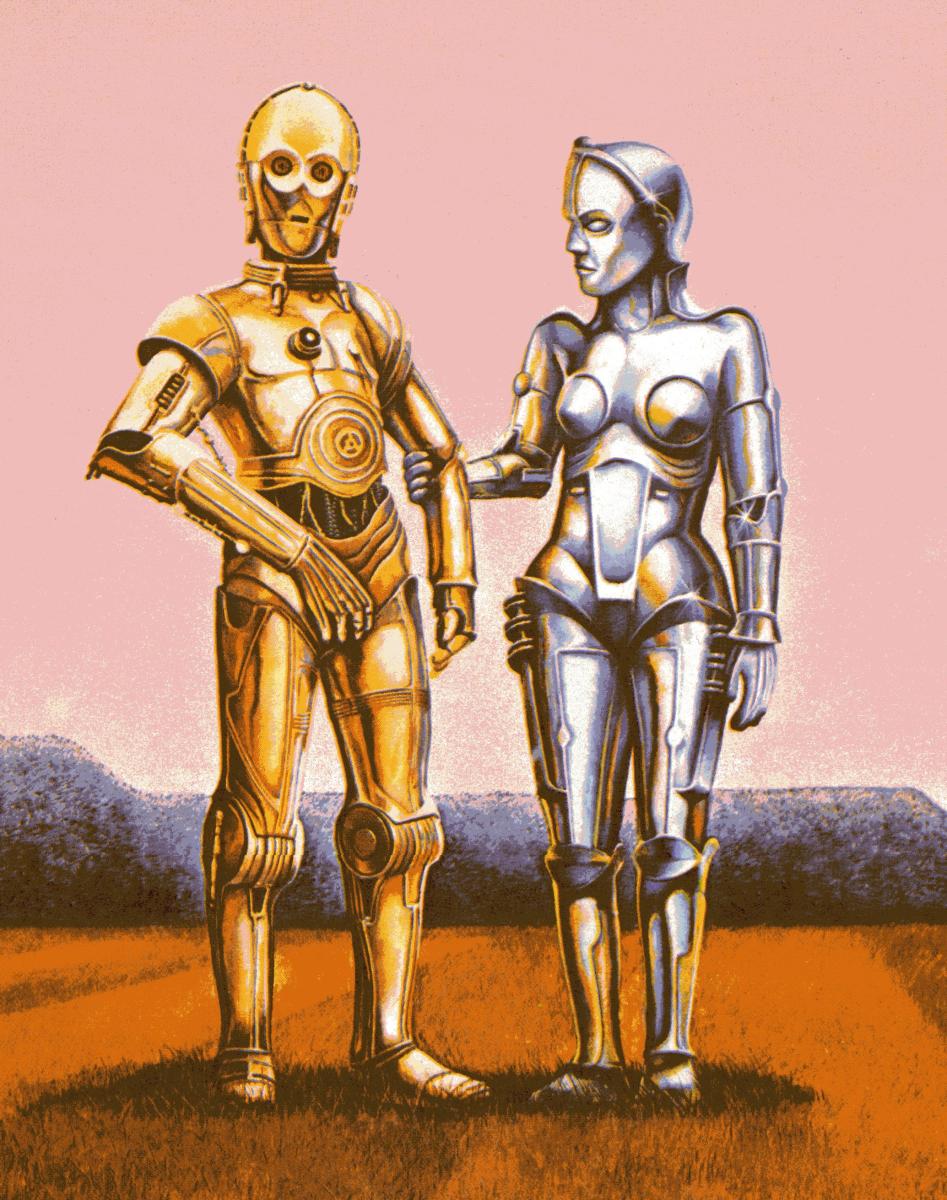
Work is many things. It is a way to earn a living, a path to self-realisation, a contribution to the wellbeing of our community, and/or a means to do things we like. But it can also be a source of personal stress and anguish, a hazardous activity when forced to do work, or even something that make us feel miserable. Sometimes it is a bit of all the above.
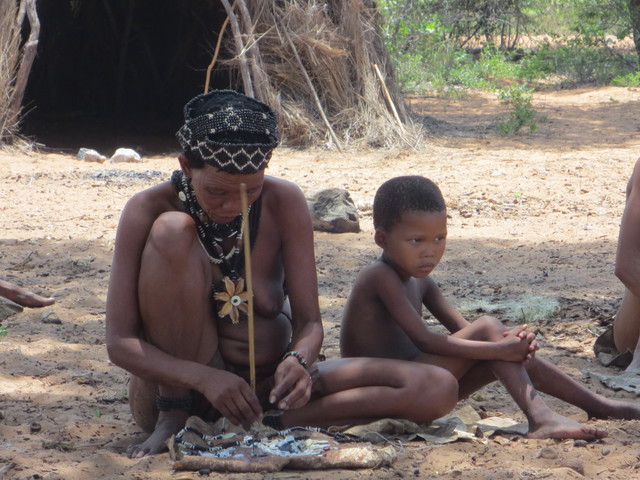
The present conceptualisation of work is a product of the industrial revolution. But what truly produced a jump in the workload was the transition from a nomadic, hunter-gatherer lifestyle to a sedentary agrarian one. Studies with remaining hunter-gatherer societies, like the Ju/’hoansi in Africa, showed that they seldom worked more than 15 hours a week. Clearly, the passage to sedentary agriculture allowed humans to thrive, but it created a quantum leap in the human workload.
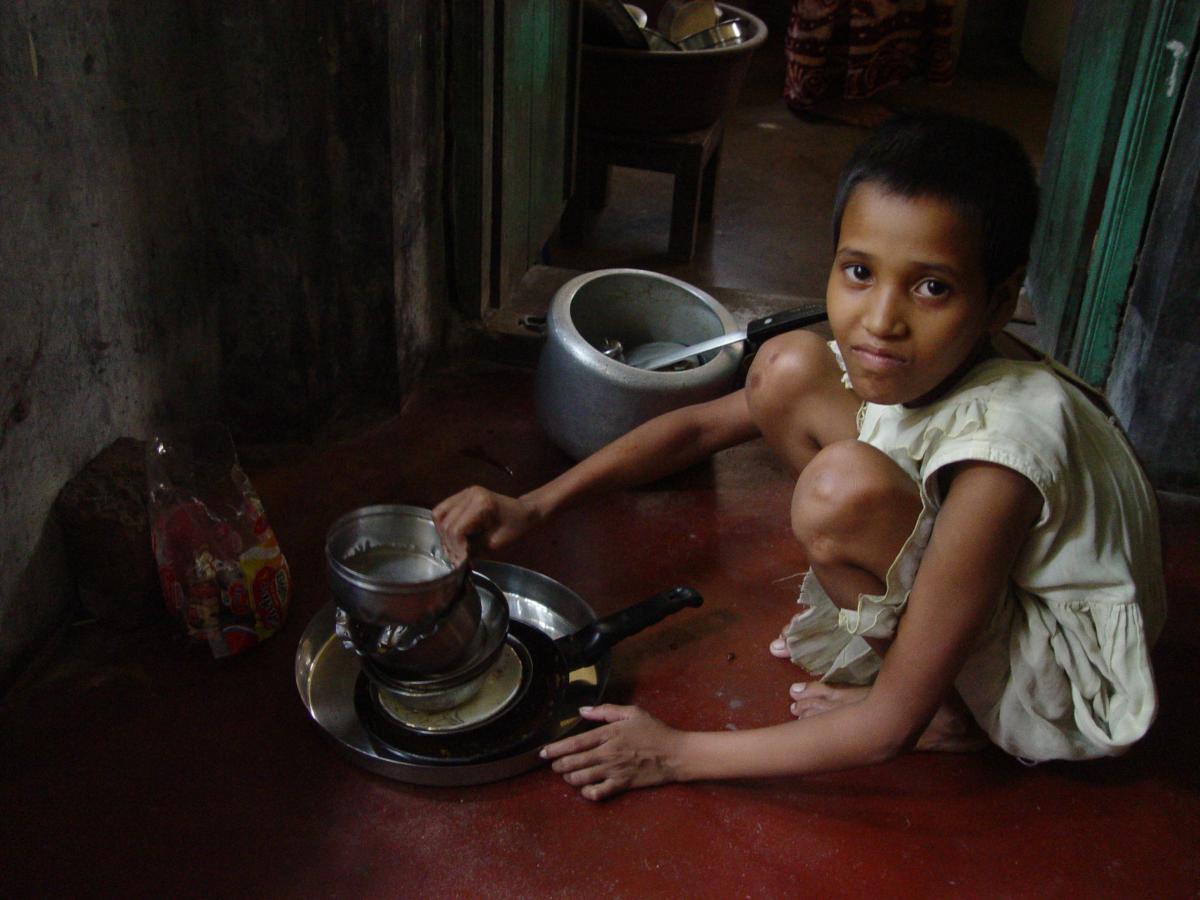
But what is work? In 2013 at the 19th International Conference of Labour Statisticians work was defined as “any activity performed by persons of any sex and age to produce goods or to provide services for use by others or for their own use.” In contrast, the definition of employment is restricted to “any activity to produce goods or provide services for pay or profit.”
The difference is important as there is a lot of work that has traditionally been neglected in labour reports and databases, most notably domestic work performed by women.
Source: ILO
The data show that the number of working hours has decreased over time. The graph below shows the change over time in the average working hours per worker per year. This data set includes data from 14 countries in the early years and then incorporates up to 70-65 countries in the later years.
Source: Our World in Data
When we focus on the Muslim countries in the sample, Bangladesh, Indonesia, Malaysia, Pakistan, and Turkey, note that their trends are not as positive. Turkey and Pakistan seem to have a clear downward trend, while others either are quite flat like Malaysia or rising, as Indonesia and Bangladesh show.
Source: Our World in Data
One of most important variables in the analysis of labour trends is productivity. In this graph we can see labour productivity. It represents the total volume of output (measured in terms of Gross Domestic Product, GDP) produced per unit of labour (measured in terms of the number of employed persons) during the time period.
Source: ILOSTAT
The other main parameter in labour analysis is wage growth. Those who work to make a living, need to know if they can make it on the wages paid to them. This chart illustrates the minimum wage in different countries. The disparities are large, and in order to make the figures comparable, they have been converted to Purchasing Parity Dollars (PPP$).
Source: ILOSTAT
Being employed is no guarantee of rising out of poverty. Despite the common perception that having a job is the way out of poverty, many workers struggle to make ends meet. This graph shows the global evolution of the working poverty rate, that is the percentage of employed persons living in households with per-capita consumption or income below the international poverty line of US$1.90. Luckily the global evolution is positive.
Source: ILOSTAT
Image: by Freepik at Flaticon
As can be seen in this graph, the percentage of working people in poverty differs across specific regions is diverse. And while Africa is the worst region, the Arab states are also worse than the world average. Moreover, it is the only region where the poverty rate has been increasing.
Source: ILOSTAT
Fair compensation for work is one of the questions that the 8th UN Sustainable Development Goal addresses: to “Promote sustained, inclusive and sustainable economic Growth, full and productive employment and decent work for all.”
The notion of “decent work” includes several of the issues shown here. According to ILO “Decent work sums up the aspirations of people in their working lives. It involves opportunities for work that is productive and delivers a fair income, security in the workplace and social protection for all, better prospects for personal development and social integration, freedom for people to express their concerns, organize and participate in the decisions that affect their lives and equality of opportunity and treatment for all women and men.”
Source: ILO
The access of women to work is a key indicator to measure the advancement of decent work. The graph below illustrates the female global labour participation growth rate from 1990 to 2021 – the proportion of the women population, age 15 and older, that are economically active.
On average, only 1 of each 2 women has a job, and the direction of growth is negative. The share of women employed has been decreasing, especially during the recent pandemic.
Source: Our World in Data
Image: by Freepik at Flaticon
Exploring the female labour participation rate by country, it is clear that most of the countries with higher female participation rates are the poorest. This implies that the labour participation of the whole family is required to make ends meet.
Also, is worth noting that most Muslim countries have low female participation rates; only Indonesia currently surpasses the 50% rate.
Source: Our World in Data
The family’s role in getting out of poverty may also be the main reason why so many children are still working. This graph represents the numbers of children working in different business sectors. The units of the graph are measured in thousands. Note that more than 500 million children under 11 years of age or roughly 900 million under 14 years of age are in the workforce. The graph shows International Labour Organization statistics for the numbers of children that were at work in 2021 by age ranges.
Source: ILOSTAT
The rising numbers of industrial robots (as we already presented in the robot’s trend) and AI applications pose the question whether there will be work for all of us.
Even more fundamentally, should there be work for all of us?
Historically, labour has been the driver of the wealth distribution system. However, if machines do all the labour, perhaps people could just focus on working on those things they like or find rewarding and forget about labour.