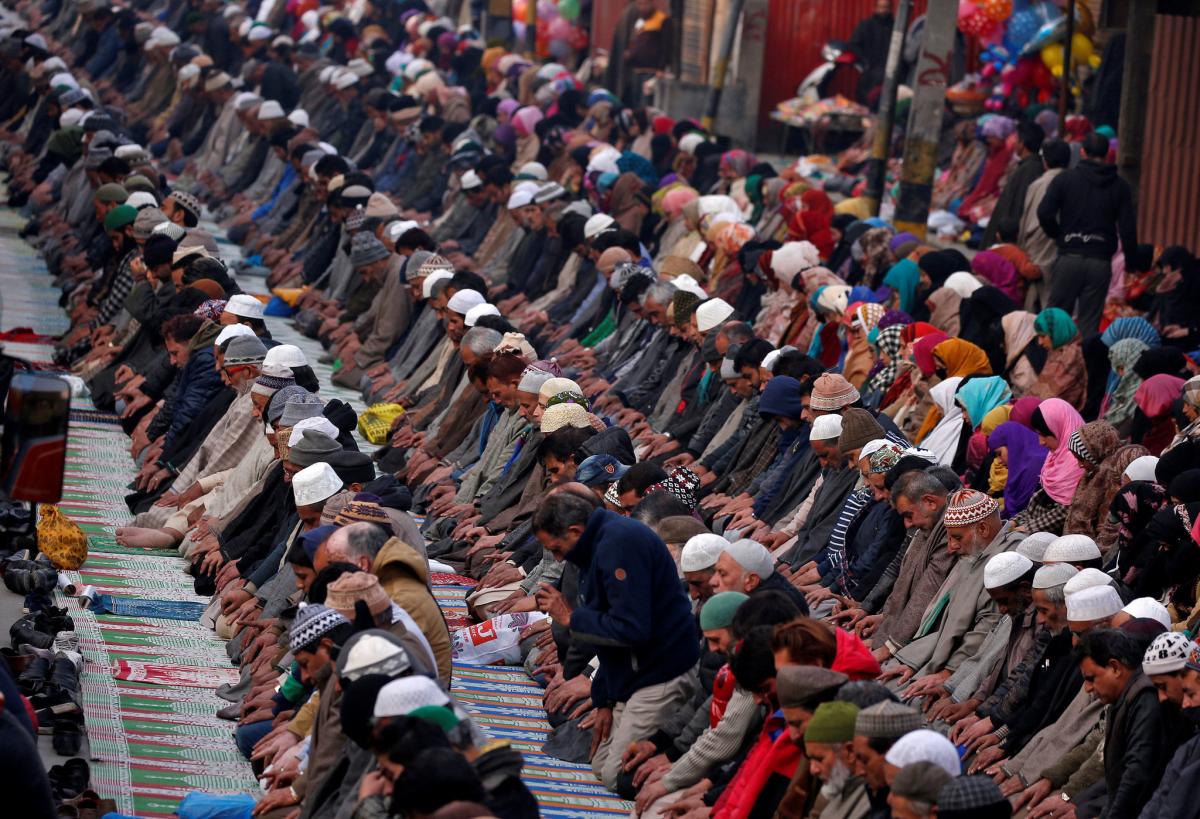
If we look at the world, we can see that, in relative terms, Central Asia and MENA concentrate the countries with the higher density of Muslims; and the peak is in Morocco, where 99.9% of the population are Muslims.
However, in absolute terms, the biggest concentration of Muslims is found in Asia, with three major players: Indonesia, Pakistan and India. It is worth noting the Muslim population in India, despite accounting only for 14.4% of the total population, adds up to almost 176.3 million people. Right now, only Indonesia has a greater Muslim population.
The case of Europe also deserves some comment. Growing islamophobia notwithstanding, Muslims are a minority both in relative and absolute terms, even including the Balkans. The average percentage of Muslims in European countries is 9.55% and the total Muslim population on the continent is 43.56 million people.
(Data from Pew Research Center and United Nations Population Division)
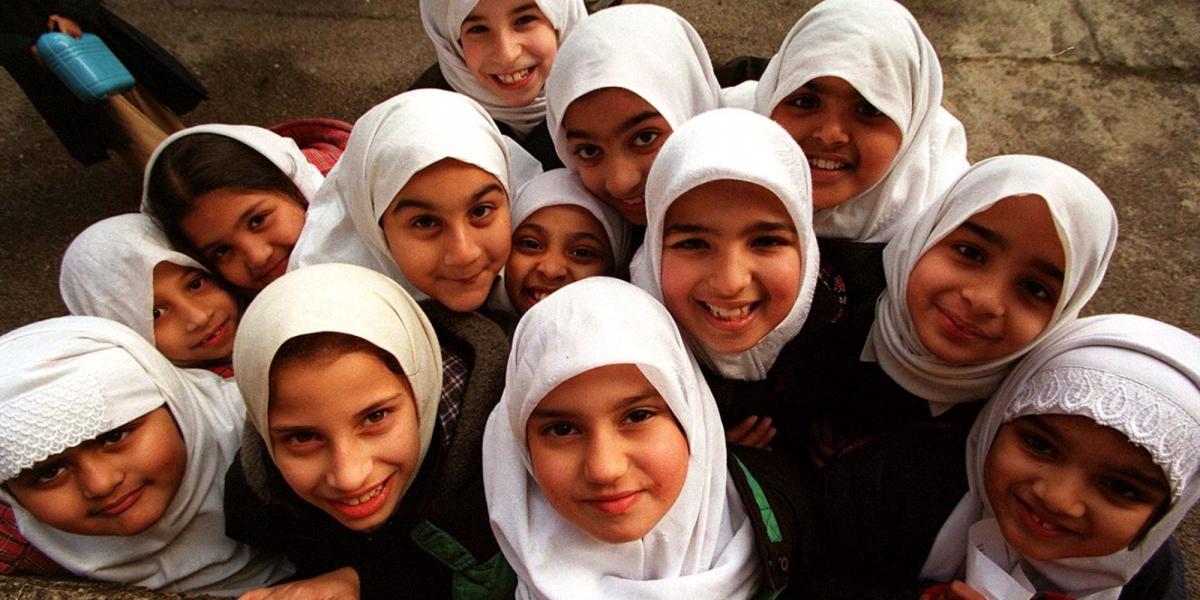
However, the most prominent feature of the Muslim population is its potential for growth. Islam is the religion with the highest potential for expansion. We see this in two ways: Muslim Communities are, generally, younger than the global age average and, on the whole, their total fertility rate is also higher. Both elements, by themselves, explain the extent of the growth of Muslim population and its capacity to carry on and at greater pace than other religious communities.
The increase in Muslim communities is also due to other factors. Muslims are also improving their ranking in other variables such as Life Expectancy at Birth and Mortality. In both cases, there is a significant degree of heterogeneity but, globally considered, we can see how Muslims are living longer than in the previous decades and that their total death rate is also going down.
It remains to be seen if the improvement in these indicators will be coupled with a slowing fertility rate and the percentage of youth in Muslim communities; something that could indicate a more sustainable growth.
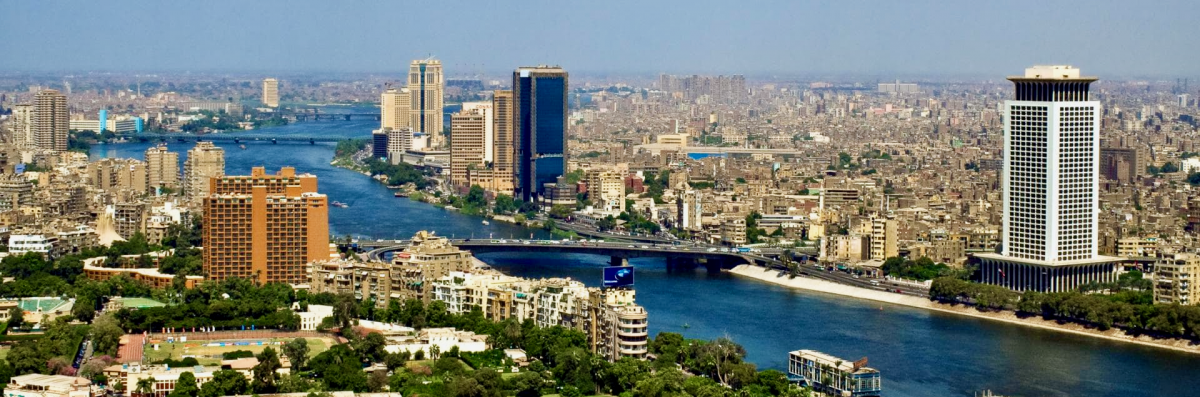
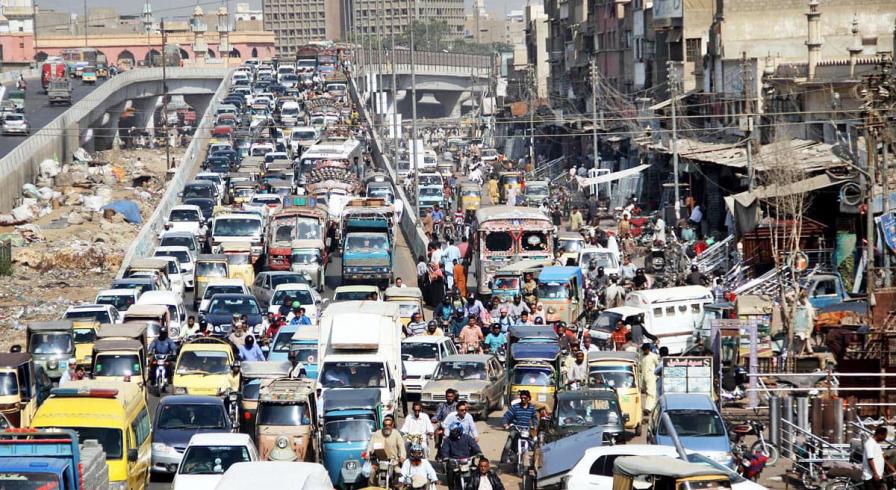
In most Muslim countries, the process of population concentration in cities and mega cities is faster and/or higher than in other places. Also, and maybe because of the fact that most Muslim countries do not have a network of middle cities, the transition is from villages or small towns to cities that are quickly becoming megacities.

Population is a major variable when trying to study the evolution of any community. In the case of Muslims, it is particularly relevant not only in demographic terms but also because of the current climate crisis and its potential impact on Muslim communities.