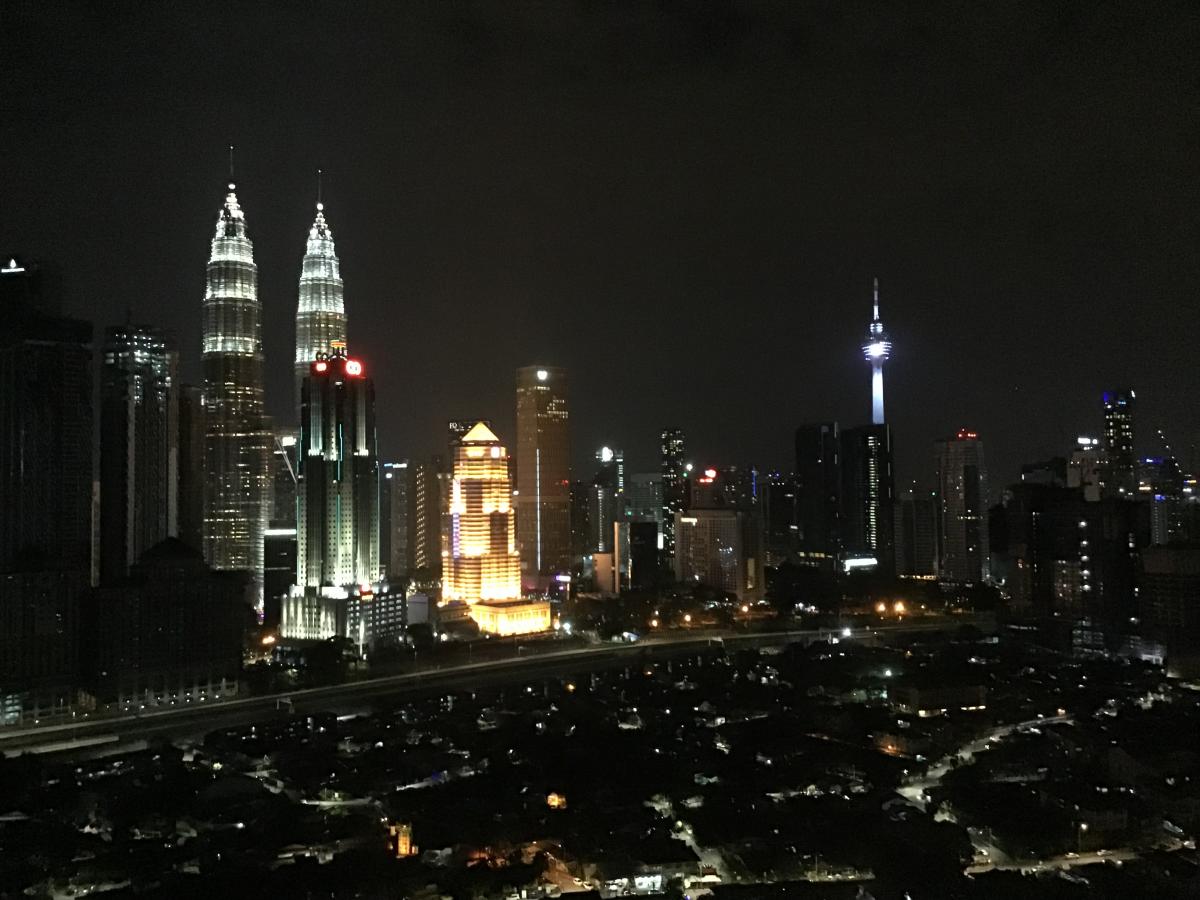
We have conventionally seen cities as social and cultural systems. But cities also share many similarities with ecological networks and qualify as ecosystems. The major aspects of ecosystem such as energy flow, limiting factors, flow diversity, cycling of material and conservation also function in urban context.
It is evident that cities are intimately connected to human evolution.
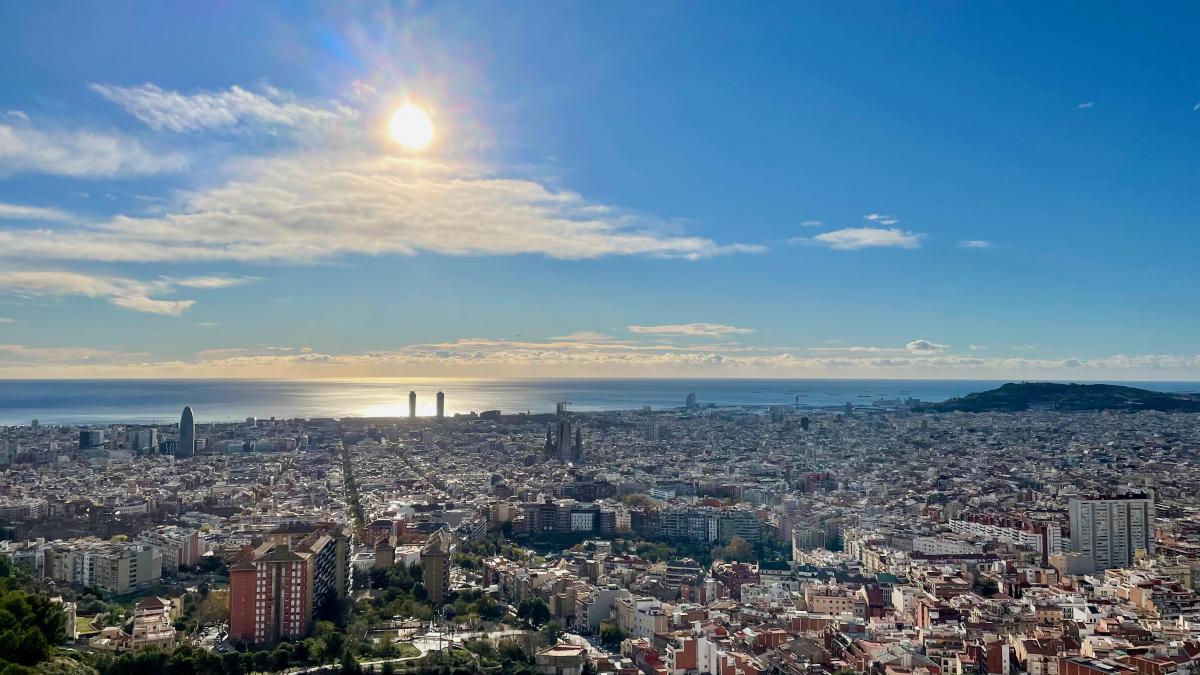
It took a long time for cities to be demographically significant. It is estimated that in 1500 only 18.92 million people lived in cities, increasing to 270.6 million in 1900, and to 750.9 million by 1950. And it was in the following sixty years the proportion of people living in rural and urban areas reversed.
Data from Our World in Data
This, however, has not been a homogeneous process. In this graph, which uses UN classification by income level countries, we can see how wealth has produced substantial differences. The biggest upsurge in urban population has been experienced by the middle-income countries.
Data from World Urbanization Prospects
This graph shows the 30 largest urban agglomerations in the years included, from 1950, 1960, and so on so forth. The chart includes growth estimations until 2035.
Data from World Urbanization Prospects. Measured in million people.
If we analyse this urbanization process by country, we can verify that, regardless the speed of urbanisation, this is a global trend. Most countries will be predominantly urban by 2050.
Data from Our World in Data
Another relevant aspect of this growth is that it has not caused an equivalent increase in land occupation. What has substantially increased is density; in some cases, to hardly liveable conditions. Here we can find the densest cities.
Data from Our World in Data
Increases in density has also led to the rise in slums. In general, the population of most cities has grown far faster than the urban infrastructures. This has forced people to generate new urban spaces that, in most cases, do not have the minimum conditions for a dignified life. A slum household is defined by several people living in a place without at least one of the following conditions: access to improved water, access to improved sanitation, sufficient living area, and durability of housing. This map shows the number of people living in slums in millions.
Data from Our World in Data.
One of the most concerning effects of accelerated urbanization is high levels of contamination which make cities unhealthy places to live.
The website Numbeo, devoted to examining various aspects of cost of living, generates a pollution index that includes: air quality, water quality, noise and light pollution, garbage disposal and access to green parks. If we look at the 200 most polluted cities in 2021, we can see that there is a higher concentration in South Asia, with India at the top with 49 cities in very high pollution index.
Numbeo produces another index to measure the quality of life. This second index contains such elements as health care, safety, climate, pollution, cost of living, the purchasing power index, or the property price to income ratio. The relevance of economic aspects maybe the reason it appears a little biased in favour of western and more westernised cities. The absence of cities from Africa, Asia or South America is extraordinary.
Yet, it is worth noting that urban structures in richer countries are moving more and more towards a model that consists of chains of clusters, almost like archipelagos. The urban conurbations have usually been created around a main city but tend to spread over the territory in a web-like arrangement. This not only reduces density but also increases the quality of life. On the other hand, poorer countries tend to generate concentrated megalopolises where liveability drops. In this graph we can see the population living in the largest city (as a percentage of total urban population) of world’s countries, grouped according to income level.
Data from Our World in Data.
If cities are to be our predominant future ecosystem, they need to improve several aspects:
-
Liveability: growing density cannot be achieved at the expenses of health and quality of life of citizens; the city must be able to sustain a modicum level of quality of life.
-
Sustainability: climate crisis will test most cities, if not all of them. Cities cannot become a resource black hole, they need to be able to generate their own resources, particular regarding energy and food. Also, they must be more resilient in the face of incoming climate challenges.
-
Mobility: as cities grow large, mobility becomes an issue. But mobility cannot be addressed ignoring the challenges of sustainability and liveablity. And cities can no longer be designed around cars.
-
Equity: any city that meets the previous challenges will fail if it bestows its benefits just to a privileged minority. Cities must be built to give access to all citizens; affordable housing and affordable quality services are essential.
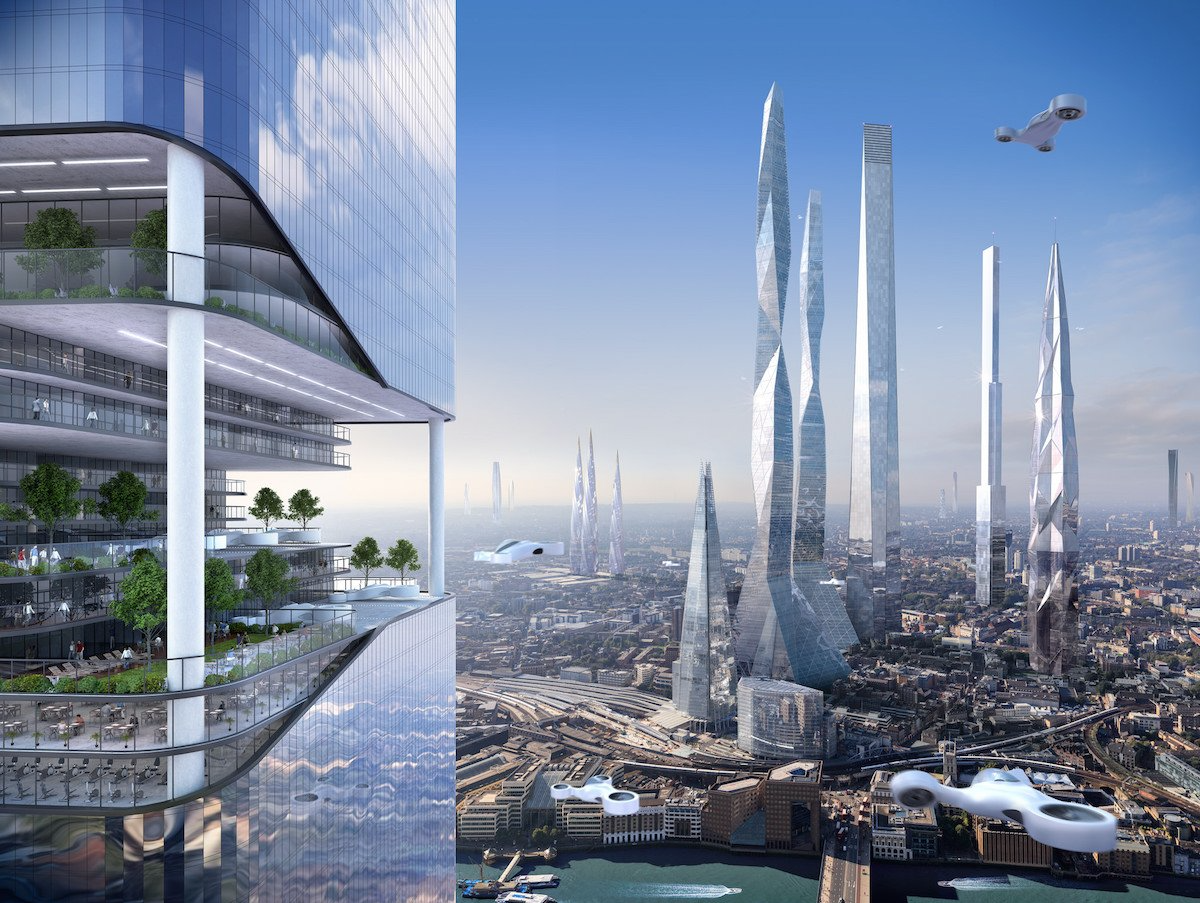
Sustainability requires cities to become self-sufficient in energy, ideally with renewable energies. And some cities are showing us potential ways forward.
Canberra, in Australia, is totally powered by renewable energy. Residents are funded to reduce house emissions by installing solar panels on rooftops, household batteries storage or by increasing their homes’ efficiency. Moreover, 87% of Canberra’s transport infrastructure is already green and the city is working to have a net-zero carbon emission by 2045.
Zurich, in Switzerland, is producing 80% of its electricity with renewable sources. The city has also enacted a strict sustainable building policy and encourages citizens to use the free bikes distributed all over the city.
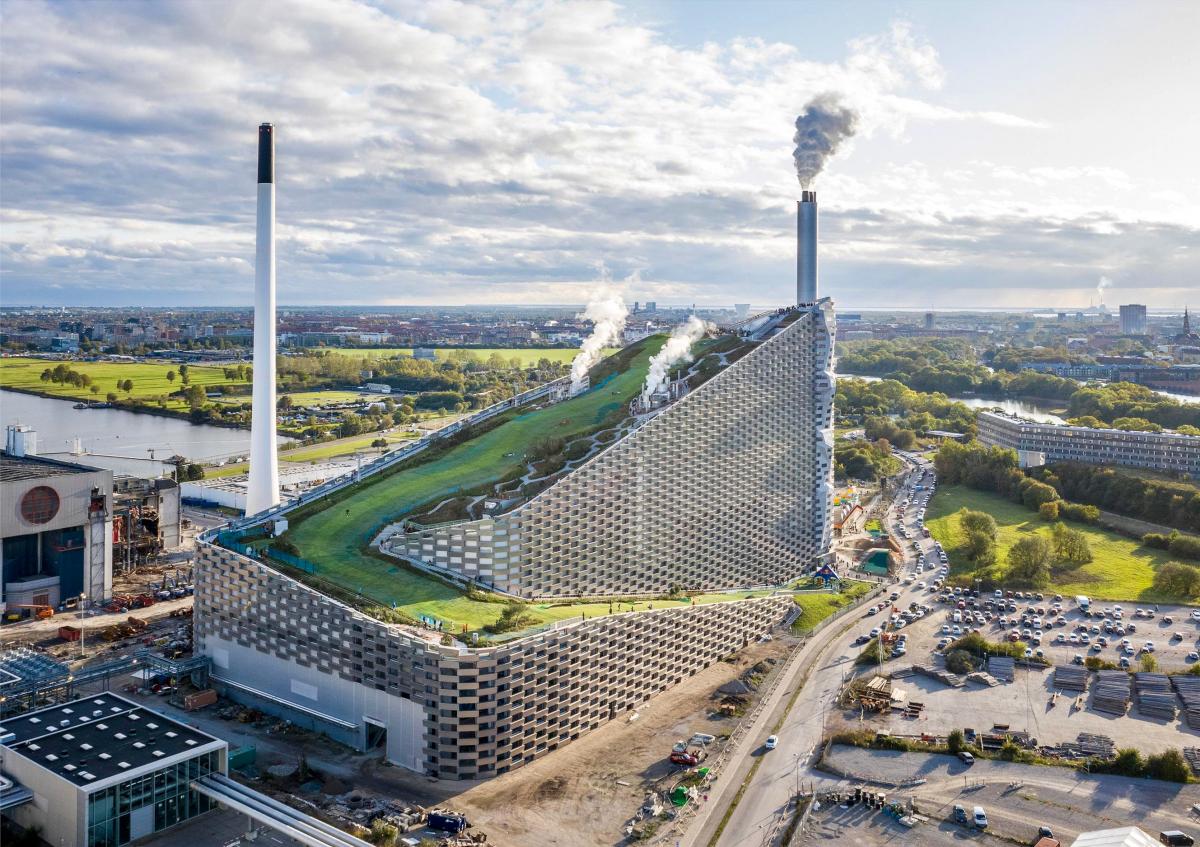
Copenhagen, Denmark, has created Copenhill, an efficient energy plant that turns waste into energy for households, and the facility itself has become a top milestone for urban mountain sport. A place where you can climb, run, hike, ski, and snowboard.
And cities need to be greener too. Not just for its inhabitant’s wellbeing but also as a source of water and food.
By applying the principles of permaculture, we can raise the city’s production of food using gardens and backyards, as well as walls and rooftops. Done well, it will improve the air and water quality and the energy efficiency of buildings.
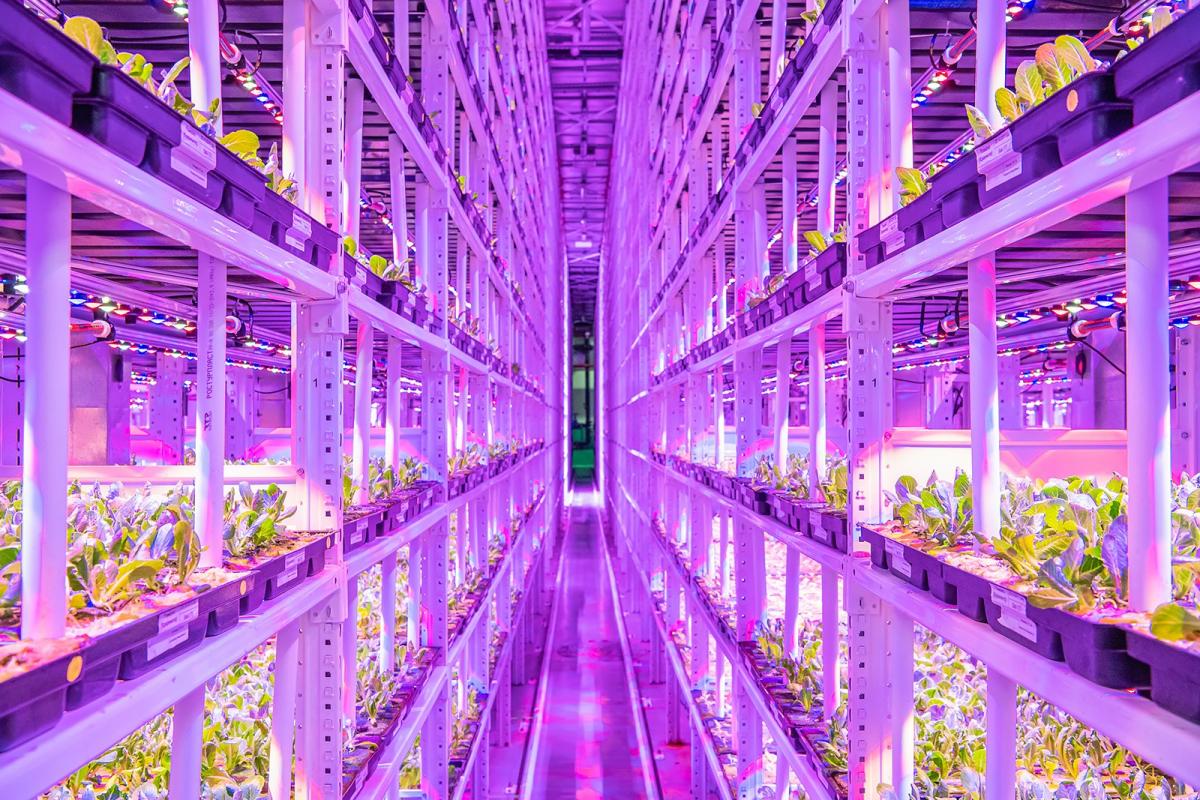
But vertical farming has greater potential. By combining the techniques of hydroponics, aquaponics, and aeroponics (none of which require soil), we can get harvests from buildings, shipping containers, or even tunnels. Currently, it is still a costly endeavour because it needs a lot of energy and pollination has to be hand-made. But it is far more efficient than traditional farming, less vulnerable to weather changes, and could reverse our need of land for farming. It would also eliminate the need to transport food from far away.
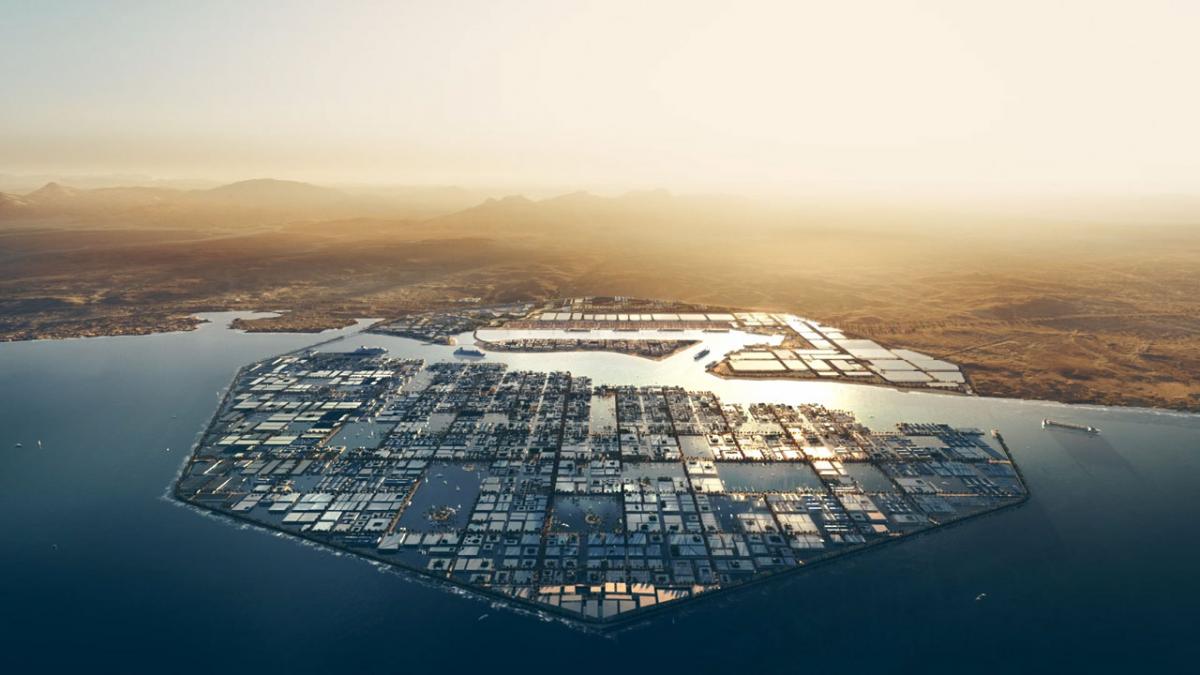
Neom is a project that is currently fueling imagination about future cities. Originally conceived as a city for the future in Saudi Arabia, it has become a hub for innovation that combines two regions: Oxagon and The Line.
Oxagon will be the industrial node. A floating city with a fully automated port, completely powered by clean energy and designed to foster creativity and innovation. While its location in the Red Sea will make it a top trade hub.
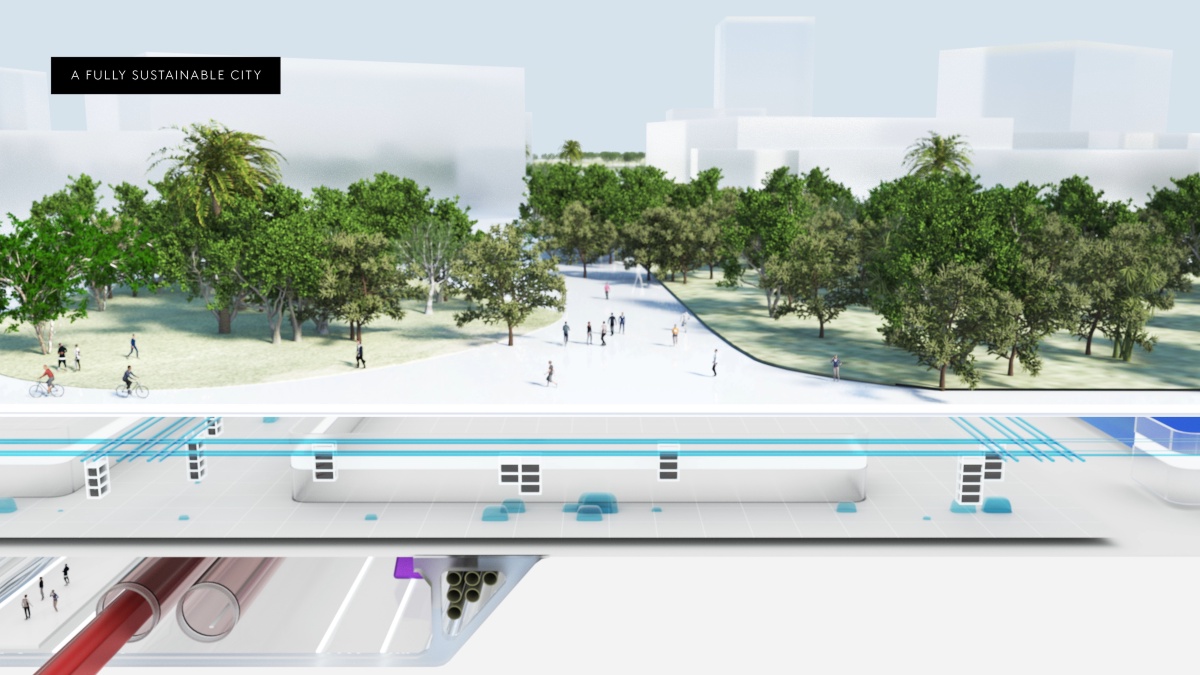
The Line is a streetless multi-layered city that will stretch for 170 km hosting one million people. It is being designed as an isochronic city in which everything will be within a 5-minute walking distance. It will be a hyper-connected city, powered by clean energies, and AI ready. A city that aims to transform the desert into a garden.
Besides the inspiration provided by Neom, there is still the challenge of making the cities of the world more liveable for over 4 billion city dwellers.
Every city needs to address the requirement of being sustainable, self-sufficient, and equitable. That is, if cities are to survive and carry on as our main ecosystem.